The plant synthesizes a broad suite of free-radical neutralizing assets, including $\alpha$-tocopherol (Vitamin E), ascorbic acid (Vitamin C), $\beta$-carotene, betalains, and glutathione.
Mechanism of Action: This antioxidant defense matrix directly neutralizes reactive oxygen species (ROS) at the cellular level. By mitigating oxidative stress, these compounds help protect mitochondrial membranes, maintain vascular endothelial elasticity, and support tissue structure.
3. Bioavailable Macrominerals
Purslane is a natural reservoir for four key macrominerals: potassium, magnesium, calcium, and iron.
Mechanism of Action: Its elevated potassium-to-sodium ratio supports cardiovascular fluid balance. Potassium and magnesium act as natural vasodilators by relaxing smooth muscle cells within vascular walls, helping maintain healthy blood pressure levels.
📊 Systemic Impacts After Age 60
Targeted Physiological System Primary Active Bio-Molecules Theoretical Impact on Aging Biomarkers
Vascular & Endothelial Health ALA (Omega-3), Potassium, Magnesium Supports arterial elasticity, fluid volume balance, and healthy blood pressure levels.
Cognitive & Neurological Defense Betalains, Alpha-Tocopherol, Dopamine Helps neutralize neuro-inflammation and protects neural cell membranes from oxidative stress.
Skeletal & Structural Integrity Calcium, Magnesium, Vitamin C Provides foundational mineral building blocks to support bone density.
Gastrointestinal Motility Soluble Mucilage, Dietary Fiber Enhances GI transit times, hydrates stool structure, and feeds beneficial gut microbiota.
⚠️ Essential Culinary Safety: Managing Oxalic Acid
Despite its dense nutrient profile, purslane contains high baseline levels of oxalic acid (oxalates), requiring proper kitchen preparation:
The Risk Factor: Free oxalates bind to ionic calcium in the human digestive and urinary tracts, forming insoluble calcium oxalate crystals. This poses a risk for individuals with a history of kidney stones (renal calculi) or hyperoxaluria, and high oxalate intake can also reduce the absorption of essential minerals like calcium and iron.
The Mitigation Protocol (Blanching): To safely lower oxalate levels without destroying heat-stable omega-3 fatty acids or minerals, blanch or boil fresh purslane greens in hot water for 2 to 3 minutes, then completely discard the cooking water. Because oxalates are water-soluble, they leach into the liquid, leaving the cooked greens safer for regular dietary consumption.
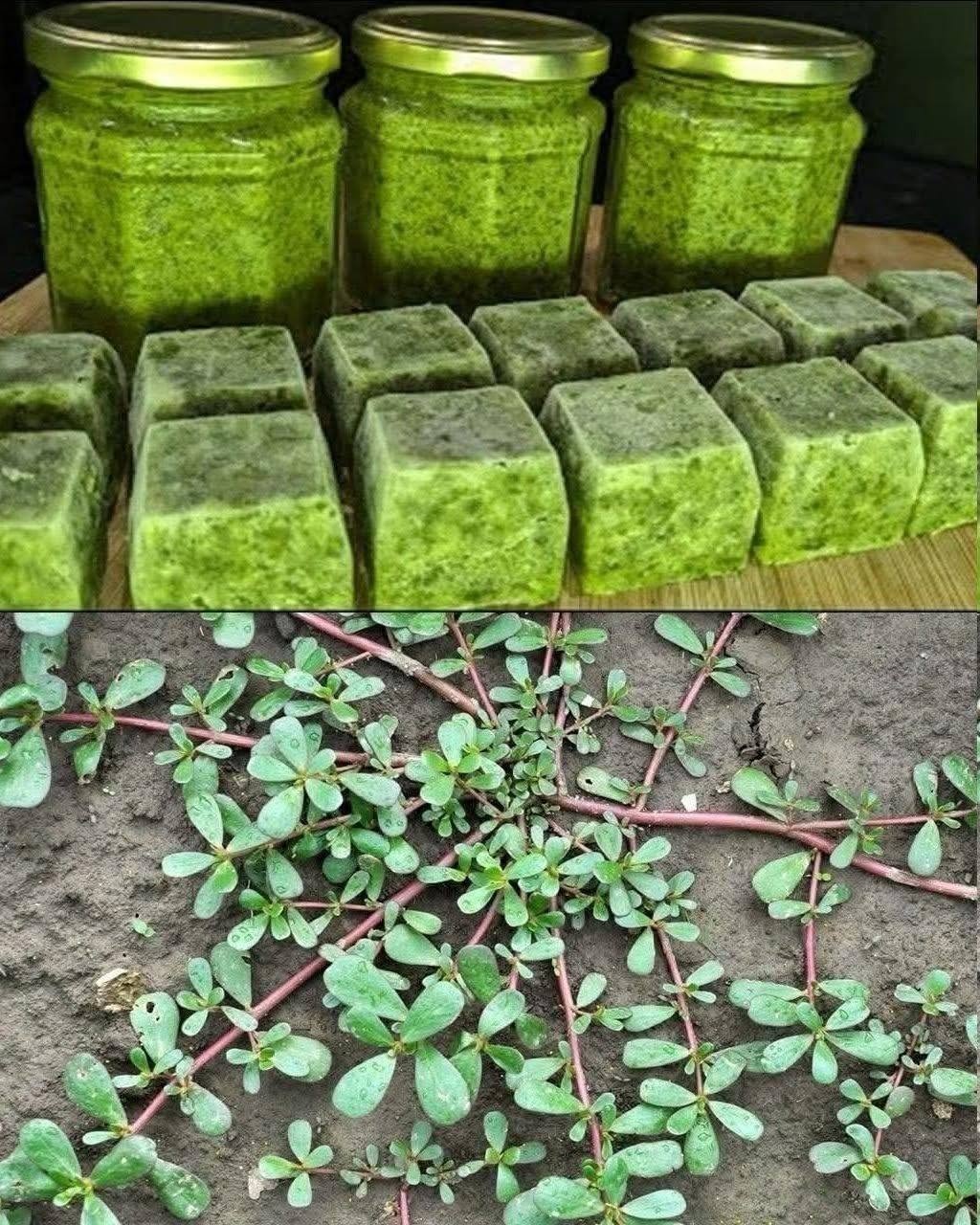
🍳 How to Prepare Purslane safely
1.Clean and Prep Greens:2 min.
Wash fresh purslane thoroughly under cold running water to remove dirt and grit from stems and leaves. Separate tough main stems if necessary, keeping tender stems and leaf clusters.
2.Timed Water Blanching:2-3 min.
Bring a saucepan of water to a rolling boil. Submerge the purslane and boil for 2 to 3 minutes. This dissolves and leaches water-soluble oxalates out of the plant tissue into the water.
3.Drain and Discard Liquid:1 min.
Pour the greens through a colander and completely discard the hot cooking water to prevent re-absorbing oxalates. Rinse briefly with cool water if adding to cold dishes.
4.Incorporate into Dishes:Finish.
Toss blanched purslane with olive oil, garlic, and lemon juice; add to warm grain bowls; or fold into scrambled eggs, soups, and sautéed vegetable dishes.
For Complete Cooking STEPS Please Head On Over To Next Page Or Open button (>)